










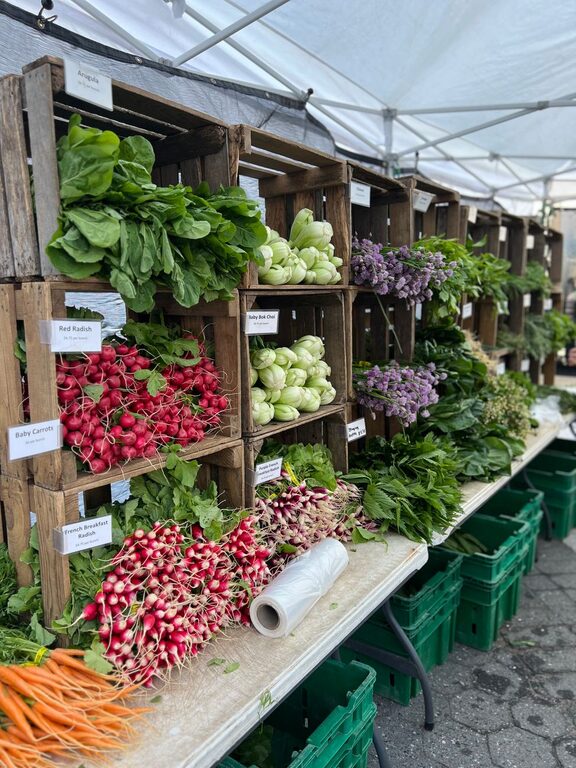
Farmers’ markets are more than convenient places to buy fruits and vegetables. They are gathering spaces where local growers, food makers, and neighbors come together. Across many regions, these markets are helping communities enjoy fresher flavors while learning more about where their food comes from.
From a small weekend market in a town square to a large indoor market serving several nearby communities, each location reflects the character of its region. The products may change with the seasons, but the purpose remains much the same: connect people with locally grown and prepared food.
What Makes Regional Farmers’ Markets Special?
Regional farmers’ markets often bring together producers from a wider area than a single neighborhood market. A market may feature farms from nearby counties, family bakeries, honey producers, flower growers, and specialty food makers.
This broader regional focus gives shoppers access to a variety of products while still keeping the experience local. It also allows smaller producers to reach customers without needing a permanent storefront.
Common market offerings include:
– Fresh fruits and vegetables
– Eggs, dairy products, and locally raised meats
– Breads, pastries, and prepared foods
– Jams, sauces, honey, and pickled products
– Fresh flowers, herbs, and plants
– Handmade kitchen and household goods
Many markets also host cooking demonstrations, children’s activities, live music, or seasonal celebrations. These features turn a routine shopping trip into an enjoyable community experience.
Seasonal Food at Its Best
One of the main attractions of a farmers’ market is the chance to shop with the seasons. Produce is often harvested close to market day, which can give it a fresh appearance, appealing texture, and full flavor.
Seasonal shopping also introduces customers to foods they may not normally buy. A summer market may feature peaches, tomatoes, green beans, and sweet corn. In the fall, shoppers may find apples, squash, pumpkins, and leafy greens. Winter markets can offer root vegetables, baked goods, preserves, and greenhouse-grown products.
Buying seasonal food can make meal planning more interesting. Instead of starting with a fixed recipe, shoppers can choose what looks best and build a meal around it. A basket of ripe tomatoes may become a simple salad, while fresh greens can be used in sandwiches, soups, or side dishes.
Simple Ways to Shop Seasonally
To make the most of seasonal choices:
- Walk through the entire market before buying.
- Ask vendors which products are freshest that week.
- Buy a small amount of an unfamiliar item to try at home.
- Look for recipe cards or preparation suggestions.
- Freeze, dry, or preserve extra produce when appropriate.
Seasonal shopping does not require a complete change in eating habits. Even adding one or two local items to a regular grocery trip can bring new flavors to the table.
Supporting Local Growers and Food Makers
Farmers’ markets give producers a direct way to meet customers. Instead of sending products through several distribution steps, growers can explain how an item was grown, when it was harvested, and how it can be prepared.
These conversations are valuable for both sides. Customers can ask questions and discover new products, while vendors receive immediate feedback. A shopper’s comment about a favorite variety or desired product may help a producer plan for a future season.
Markets also provide opportunities for small food businesses. A baker, jam maker, or prepared-food vendor can introduce products to the public without opening a full retail location. Over time, these direct connections may help local businesses build a loyal customer base.
The result is a more personal shopping experience. Rather than choosing from anonymous packages on a shelf, customers can learn the story behind what they bring home.
Building Stronger Community Connections
A farmers’ market can become a regular meeting place for residents. People may stop to chat with neighbors, meet friends, or get to know the people who grow and prepare their food. This sense of connection can make a community feel more welcoming.
Markets are also useful spaces for local organizations. Libraries, schools, gardening groups, and community programs may set up information tables or offer activities. These partnerships help residents discover services and events in their area.
For families, markets can be a hands-on learning environment. Children can see different types of produce, learn how food is grown, and practice making thoughtful choices. Some markets offer scavenger hunts, planting activities, or demonstrations designed for young visitors.
Making Markets Accessible
A welcoming market works to serve a wide range of residents. Helpful features may include:
– Convenient hours and clear location details
– Accessible walkways and seating areas
– A variety of price points
– Multiple payment options
– Information about accepted nutrition assistance benefits
– Language support or clear signs when possible
These details can make it easier for more people to participate. A market’s success depends not only on the products available but also on how comfortable and practical it is for shoppers.
Reducing Food Miles Through Local Shopping
When food is purchased from nearby producers, it may travel a shorter distance before reaching the customer. Shorter supply routes can reduce the time between harvest and purchase, while also helping shoppers understand the source of their food.
Local markets may also use less packaging for certain products. Customers can often choose loose fruits and vegetables or bring reusable bags and containers, depending on vendor policies.
Shopping locally does not mean every item must come from the surrounding area. Coffee, spices, grains, and other products may come from distant regions. However, choosing local products when they are available can be one practical way to support nearby food systems.
Tips for a Successful Market Visit
A little preparation can make a market trip easier and more enjoyable.
Before You Go
Check the market’s website or social media page for current hours, vendor updates, and seasonal events. Bring reusable bags, a cooler for items that need to stay chilled, and a list of basic foods you need.
It is also helpful to carry a small amount of cash, even if many vendors accept cards or mobile payments. Policies vary from one market to another.
While You Shop
Start with a walk around the market so you can compare products and prices. Speak with vendors and ask how to store or prepare unfamiliar foods. If you plan to buy delicate items, save them for the end of your visit.
Try to leave room for something new. A unique apple variety, locally made spread, or unfamiliar herb can turn an ordinary meal into a fresh discovery.
The Future of Regional Farmers’ Markets
As communities look for meaningful ways to connect with local producers, farmers’ markets continue to offer a practical and enjoyable option. They bring fresh food closer to home, support small businesses, and create opportunities for neighbors to gather.
Whether you visit every week or stop by only during the harvest season, a regional farmers’ market can add variety to your meals and connection to your community. The next time you see a market nearby, take a walk through the stalls. You may find a new favorite flavor—and meet the person who helped bring it to your table.