





Keeping Family Recipes Alive
A family recipe can be much more than a list of ingredients and instructions. It may carry memories of holidays, busy weeknights, community gatherings, and time spent learning in the kitchen. For many women age 65 and older, preserving these recipes has become a meaningful way to connect generations.
Some are writing recipes into notebooks, while others are teaching grandchildren how to prepare familiar dishes. Many are also adapting old recipes for modern kitchens, new dietary preferences, and changing family routines. Through these efforts, traditional cooking continues to grow rather than disappear.
Recipes as Family History
Traditional recipes often tell the story of a family’s past. A handwritten card may show an older style of measurement, a regional ingredient, or a cooking method that is rarely used today. Even small details can reveal how people lived and what they valued.
A recipe might have been created to make use of garden vegetables, stretch a meal for a large household, or celebrate a special occasion. Others may reflect cultural traditions passed down through parents, grandparents, or extended family members.
Women who preserve these recipes often remember more than the ingredients. They may recall:
– Who first taught them how to cook the dish
– When the recipe was usually served
– Which ingredients were homemade or locally grown
– How the recipe changed over the years
– Which family members enjoyed it most
– What stories were shared around the table
Recording these memories adds meaning to a recipe and helps younger family members understand its place in their family history.
Moving Beyond the Written Recipe
Many traditional recipes were never written down in exact detail. Instead, they were learned by watching someone cook and listening to instructions such as “add enough flour” or “cook until it looks right.” This can make preservation difficult, especially when the original cook is no longer able to demonstrate the process.
Women who learned in this way are finding creative ways to document their knowledge. Some measure ingredients carefully for the first time. Others use photographs, voice recordings, or short videos to show important steps.
A useful family recipe record may include:
- The ingredient list
- Clear preparation steps
- Cooking time and temperature
- Helpful notes about texture or appearance
- Substitutions that work well
- The history or memory connected to the dish
These additions make recipes easier for beginners to follow while preserving the personal knowledge that usually comes from experience.
Teaching the Next Generation
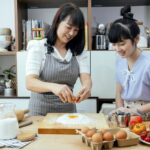
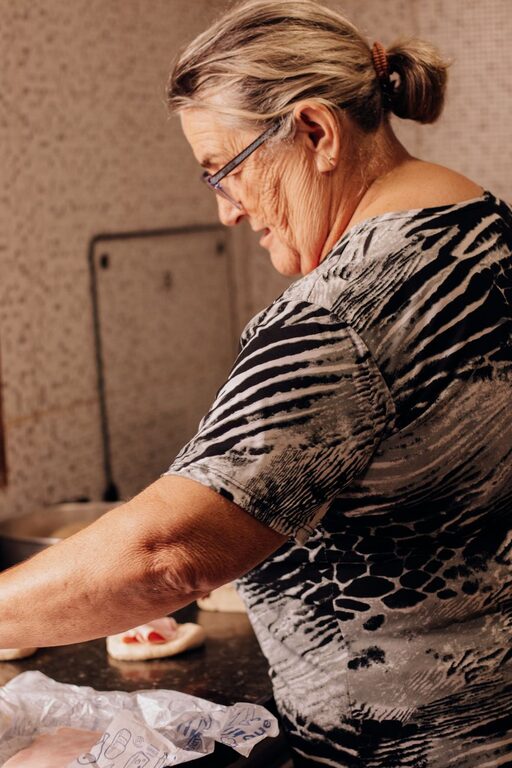
Cooking together offers a natural way to pass traditions from one generation to another. A grandmother, aunt, or older family friend may invite children or teenagers into the kitchen to prepare a familiar dish. The lesson often includes more than cooking skills.
Young family members can learn how ingredients are selected, how meals are planned, and why certain dishes are served at specific celebrations. They may also gain confidence by practicing simple techniques, such as mixing, measuring, shaping dough, or preparing vegetables.
Shared cooking time does not need to be formal. It can happen during a holiday visit, a weekend afternoon, or a regular family meal. Even a short session can create a lasting memory.
To make the experience enjoyable, families can:
– Choose a recipe with manageable steps
– Let younger cooks take an active role
– Explain unfamiliar ingredients and tools
– Allow room for questions and mistakes
– Take photographs of the finished dish
– Write down comments and personal memories
The goal is not perfection. It is participation, conversation, and connection.
Adapting Recipes for Modern Life
Preserving a recipe does not always mean preparing it exactly as it was made decades ago. Families change, and so do kitchens, schedules, and available ingredients. Many older women are adjusting traditional recipes while keeping their essential character.
A slow-cooked dish may be adapted for a modern appliance. A recipe that once served a large household may be reduced for a smaller family. Ingredients may be replaced when they are difficult to find, while the original flavor and method remain recognizable.
Some families also create several versions of the same dish. One version may follow the original recipe, while another uses ingredients that suit current preferences. This approach allows tradition and flexibility to exist together.
Helpful adaptations may include:
– Reducing recipe quantities
– Converting older measurements
– Replacing hard-to-find ingredients
– Offering simple preparation shortcuts
– Freezing portions for later meals
– Including both original and updated instructions
These changes can make traditional recipes more practical without removing their connection to the past.
Using Technology to Share Old Recipes
Digital tools have made it easier to preserve and share family cooking traditions. A recipe can be scanned, photographed, typed into a document, or saved in a shared online folder. Families living far apart can access the same collection and add their own notes.
Some women are also using social media, personal blogs, and video calls to share their cooking knowledge. A short video can demonstrate a technique that is difficult to describe in writing. A family group chat can become a place to exchange photographs, ingredient suggestions, and memories.
Technology is especially useful when families are spread across different cities or countries. A traditional dish can be prepared in several kitchens at once, allowing relatives to take part even when they cannot gather in person.
Still, digital records are most valuable when they are organized. Families may want to label files clearly, identify the person who contributed each recipe, and keep backup copies. A printed collection can also be created for relatives who prefer a physical cookbook.
Building Community Through Food
The revival of traditional recipes often extends beyond the family. Community centers, libraries, cultural groups, and local cooking clubs may invite older adults to share recipes and stories. These gatherings give participants a chance to exchange ideas and introduce others to regional or cultural foods.
A community recipe project might include cooking demonstrations, oral history interviews, or a printed collection of local favorites. Such projects recognize the knowledge that older adults have developed over many years and make it available to a wider audience.
These activities can also encourage conversations between generations. Younger participants may bring digital skills, while older participants contribute cooking experience and historical context. Each group has something valuable to share.
A Tradition That Continues to Change
Traditional family recipes remain relevant because they can change while keeping their identity. Women 65 and older are helping preserve more than food preparation methods. They are saving stories, skills, celebrations, and connections that might otherwise be forgotten.
Whether a recipe is written in a notebook, recorded on a phone, or taught across a kitchen counter, every act of sharing helps carry it forward. The next generation may prepare the dish with different tools or make small adjustments, but the original memory can remain part of the meal.
Reviving family recipes is not about returning to the past exactly as it was. It is about understanding where a dish came from, appreciating the people who prepared it, and finding new ways to keep it meaningful in today’s homes.