





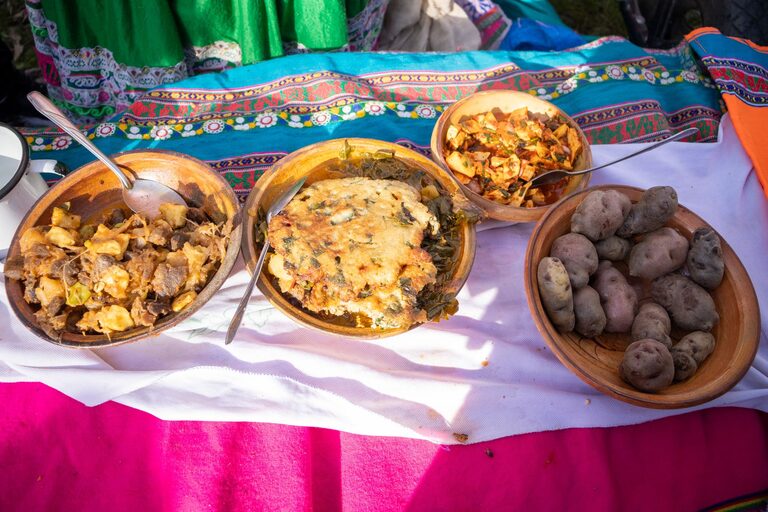
Local food festivals bring people together around something simple and meaningful: good food made with ingredients from nearby farms, gardens, fisheries, bakeries, and kitchens. These events offer more than a chance to enjoy a tasty meal. They also provide a closer look at the landscape, traditions, and everyday cooking practices that shape a region.
From summer berry celebrations to autumn harvest fairs, food festivals can be found in communities of all sizes. Some focus on one ingredient, while others showcase a broad selection of local dishes. No matter the format, these gatherings create an inviting way to explore regional food and meet the people who produce, prepare, and preserve it.
What Makes a Local Food Festival Special?
A local food festival often reflects the character of its community. The ingredients may be influenced by the climate, soil, waterways, or growing season. Cooking methods may come from family traditions passed down over several generations. Even the festival schedule may follow the time of year when a particular crop is ready to harvest.
These events typically include a mix of activities, such as:
– Tasting booths featuring local dishes
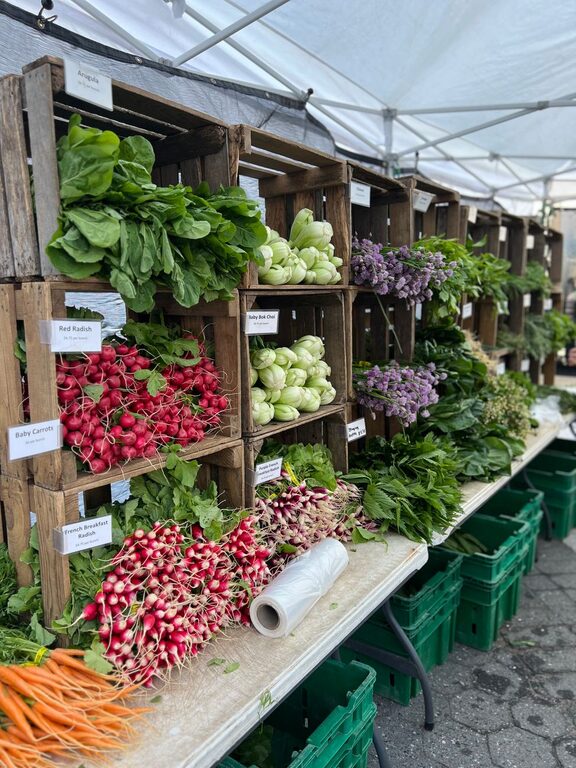
– Farmers and food producers selling fresh ingredients
– Cooking demonstrations
– Recipe contests
– Live music and family activities
– Craft vendors and community displays
– Educational talks about farming and food preparation
The atmosphere is usually casual and welcoming. Visitors can sample familiar foods, discover new flavors, and ask questions directly to cooks and producers.
Celebrating Regional Ingredients
Many festivals are built around one ingredient that has become closely associated with the area. A town may celebrate apples, corn, peaches, mushrooms, seafood, maple syrup, or locally grown herbs. Highlighting one ingredient helps visitors understand how much variety can come from a single food.
For example, a harvest festival might feature fresh apples in pies, sauces, ciders, breads, and savory dishes. A seafood festival may offer grilled fish, chowders, stews, and simple preparations that let the natural flavor stand out. A vegetable-focused event might include roasted produce, pickles, salads, soups, and homemade preserves.
These celebrations also show how ingredients change throughout the year. Fresh produce may be served at its seasonal peak, while older preservation methods allow people to enjoy the harvest later. Drying, canning, pickling, smoking, and freezing are often part of the story.
Why Seasonality Matters
Seasonal ingredients are often at their freshest when they are naturally available. They can inspire simpler meals because they do not need heavy sauces or complicated preparation to taste good. Shopping and cooking with the seasons can also encourage people to try foods they might otherwise overlook.
A local festival makes seasonality easy to understand. A display of pumpkins in the fall or berries in early summer connects the food on the table to the fields and gardens where it began.
Home Cooking at the Heart of the Event
Home cooking is one of the strongest features of many local food festivals. Recipes may come from family kitchens rather than professional restaurants. This gives the food a personal quality and helps preserve traditions that might not appear in cookbooks.
Festival dishes often include:
– Handmade breads and baked goods
– Family-style casseroles
– Regional soups and stews
– Grilled or roasted meats
– Homemade jams and preserves
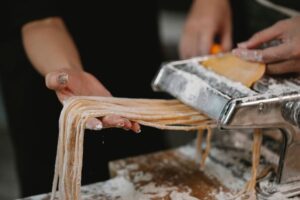
– Traditional noodles, dumplings, or pastries
– Seasonal fruit desserts
Home cooks may prepare recipes from handwritten cards, memory, or lessons learned from parents and grandparents. Small changes are common. One cook may add extra herbs, while another may use a different type of flour or a favorite family topping.
These variations are part of what makes regional cooking interesting. There is rarely one single “correct” version of a beloved dish. Instead, each household adds its own touch.
Learning Through Cooking Demonstrations
Cooking demonstrations give festival visitors a chance to see regional recipes come together. A cook may explain how to choose a ripe ingredient, prepare a traditional dough, season a dish, or use basic tools efficiently.
Good demonstrations often include useful tips that visitors can try at home, including:
– How to prepare fresh produce with minimal waste
– Ways to balance sweet, salty, sour, and savory flavors
– Simple methods for preserving seasonal ingredients
– Ideas for using leftovers creatively
– Techniques for making large-batch meals
– Suggestions for adjusting recipes to available ingredients
These sessions are especially helpful for beginners because they make home cooking feel approachable. Visitors can watch each step, ask questions, and take home recipes or ideas.
Supporting Local Farmers and Food Makers
Food festivals can introduce shoppers to the people behind their ingredients. Farmers, bakers, cheesemakers, fishers, beekeepers, and other producers often attend with products to sample and sell.
Talking with producers can help visitors learn:
– When certain foods are in season
– How ingredients are grown or prepared
– Which foods store well at home
– How to cook unfamiliar items
– Where to find local products after the festival
Buying directly from local producers can also strengthen connections within a community. Instead of seeing food as something that simply appears on a store shelf, visitors gain a better understanding of the work involved in growing, making, and transporting it.
Tips for Enjoying a Food Festival
A little planning can make the experience more comfortable and enjoyable.
Check the Schedule
Review the event website or community notice before attending. Look for opening times, cooking demonstrations, tasting sessions, parking information, and rules about pets or outside food.
Arrive Early
Popular festivals can become busy, especially during peak meal times. Arriving early may make it easier to browse vendor booths, find seating, and attend demonstrations.
Bring Reusable Items
A reusable water bottle, shopping bag, and small container can be useful. Some festivals may offer tasting portions, while others sell full meals or take-home products.
Carry Cash and a Payment Option
Smaller vendors may prefer cash, although many events now accept cards or mobile payments. Having more than one option can make purchases easier.
Try Something New
Choose at least one food you have not tasted before. A festival is a relaxed place to sample a new ingredient, recipe, or cooking style.
Take Notes
If you enjoy a particular dish, write down the vendor’s name and the main ingredients. You may be able to find the product at a local market or recreate a similar recipe at home.
Bringing the Festival Experience Home
The best part of a local food festival may be the inspiration it provides for everyday meals. You do not need advanced cooking skills or a large collection of equipment to continue the experience at home.
Start with one seasonal ingredient and build a simple meal around it. Fresh tomatoes can become a salad, sauce, or sandwich topping. Local apples can be baked with oats or added to a savory dish. Extra herbs can be blended into a sauce or frozen for later use.
You can also preserve a small amount of the harvest by making refrigerator pickles, fruit compote, dried herbs, or freezer-ready portions. These projects help extend the festival’s flavors beyond one afternoon.
A Taste of Community
Local food festivals celebrate more than ingredients. They honor the people, skills, stories, and shared memories connected to regional cooking. They create opportunities to learn from home cooks, support local producers, and enjoy food in the company of others.
Whether you attend a large annual celebration or a small neighborhood harvest event, take time to explore the dishes, talk with vendors, and notice the ingredients that define the area. You may leave with a new favorite recipe, a bag of seasonal produce, and a deeper appreciation for the food traditions close to home.