







Homemade pasta is enjoying a renewed place in home kitchens, and retired hobby cooks are among its most enthusiastic fans. With more time to explore personal interests, many retirees are discovering that making pasta from scratch is both practical and creative.
The process can be simple or detailed, depending on the cook’s goals. A basic dough may require only flour, eggs, water, and a little patience. From there, cooks can learn to shape noodles, experiment with fillings, and create sauces that suit the season.
Why Homemade Pasta Appeals to Retired Cooks
Retirement often creates room for activities that were difficult to fit into a busy work schedule. Cooking is especially appealing because it combines creativity, routine, and a useful result.
Homemade pasta offers several benefits:
– It turns everyday ingredients into a special meal.
– It provides a hands-on activity with clear steps.
– It allows cooks to work at their own pace.
– It encourages learning without requiring formal classes.
– It creates opportunities to cook for family and friends.
– It can become a relaxing weekly or monthly project.
Unlike some hobbies that require a large investment of time before producing results, pasta making can be rewarding from the first attempt. Even uneven noodles or oddly shaped ravioli can taste delicious when served with a favorite sauce.
A Creative Kitchen Activity
One reason pasta making continues to attract hobby cooks is the variety it offers. A cook can begin with a traditional egg pasta and gradually explore different shapes, flavors, and techniques.
Common pasta styles include:
– Tagliatelle and fettuccine
– Lasagna sheets
– Ravioli and tortellini
– Gnocchi
– Hand-shaped orecchiette
– Stuffed pasta shells
– Simple pasta ribbons cut with a knife
Each style provides a different type of activity. Rolling and cutting dough can be satisfying for cooks who enjoy careful, repeated motions. Shaping filled pasta may appeal to those who like detailed work. Gnocchi and hand-formed shapes offer a more relaxed, rustic approach.
Cooks can also add variety with ingredients such as spinach, herbs, tomato, or mild spices. These additions bring color and flavor while making each batch feel personal.
Getting Started Without Feeling Overwhelmed
New pasta makers do not need a fully equipped kitchen. A large work surface, a mixing bowl, a rolling pin, and a sharp knife are enough for a basic start.
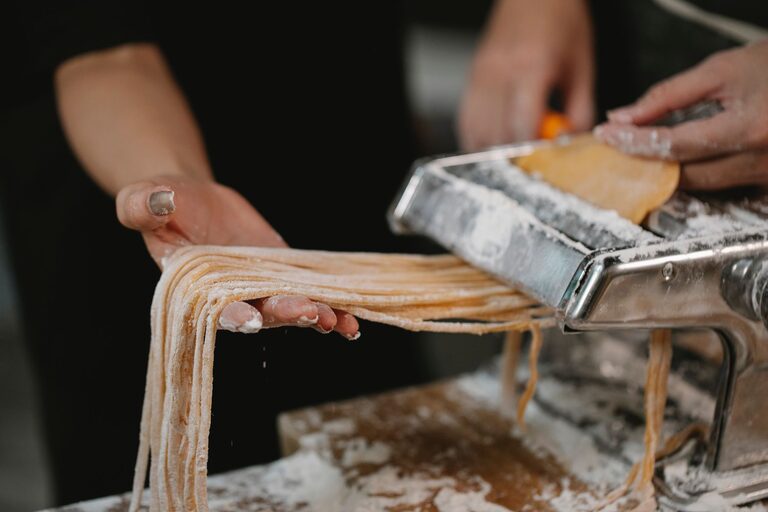
A pasta machine can make rolling and cutting faster, but it is not essential. Some cooks enjoy the traditional method of rolling dough by hand. Others prefer the consistency and convenience of a countertop machine.
A simple starting plan may look like this:
- Choose a basic pasta dough recipe.
- Measure the ingredients carefully.
- Knead the dough until it feels smooth.
- Let it rest before rolling.
- Roll the dough into thin sheets.
- Cut it into a familiar shape.
- Cook a small portion and save the rest for later.
Starting with a small batch helps reduce pressure. It also makes it easier to notice how changes in flour, moisture, kneading, and rolling affect the finished pasta.
The Value of Learning by Practice
Pasta dough can behave differently depending on the type of flour, the size of the eggs, the humidity in the kitchen, and the amount of kneading. For this reason, small mistakes are a normal part of the process.
A dough that feels too dry may need a few drops of water. Dough that feels sticky may benefit from a light dusting of flour. Noodles that are too thick may require more rolling, while very thin sheets may need gentle handling.
This trial-and-error process can make pasta especially satisfying for retired hobby cooks. There is no need to master every technique immediately. Each batch provides useful information for the next one.
Keeping brief notes can help. Cooks may record:
– The type of flour used
– The number of eggs or amount of water
– How long the dough rested
– The thickness of the sheets
– Cooking time
– Which sauce paired well with the pasta
Over time, these notes can become a personal collection of recipes and lessons.
From Simple Noodles to Complete Meals
Making pasta from scratch does not have to mean preparing every part of a meal from the beginning. Fresh noodles can be served with a quick tomato sauce, browned butter, roasted vegetables, or a simple cheese topping.
As confidence grows, cooks may enjoy preparing complete homemade meals. A weekend menu could include fresh fettuccine with vegetables, ravioli with a mild cheese filling, or lasagna assembled with homemade sheets.
Seasonal ingredients can make the experience even more enjoyable. Spring peas, summer tomatoes, autumn squash, and winter greens can inspire different fillings and sauces throughout the year.
This approach also helps cooks avoid repetitive meals. The same basic dough can become several different dishes simply by changing the shape, filling, or sauce.
Cooking as a Social Hobby
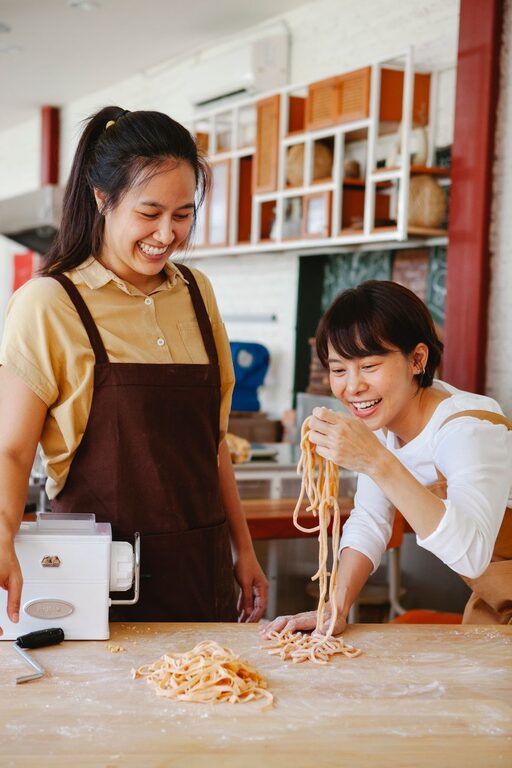
Although pasta making can be a quiet activity, it is also well suited to sharing. Retired cooks may invite relatives, neighbors, or friends to prepare a meal together. Rolling dough and shaping pasta can be more enjoyable when conversation is part of the process.
A small pasta-making gathering might include:
– One person preparing the dough
– Another rolling or cutting the sheets
– Others shaping filled pasta
– A shared meal at the end
Children and grandchildren can also take part in simple tasks, such as cutting dough into strips or shaping small pieces by hand. These activities can create positive memories and introduce younger family members to traditional cooking skills.
For cooks who prefer a more independent hobby, sharing the finished meal is just as rewarding. Fresh pasta can be prepared for a family dinner, a casual lunch, or a special occasion.
Choosing Tools That Fit the Cook
The best equipment is the equipment that feels comfortable and useful. Some cooks may prefer a manual pasta roller because it is straightforward and easy to store. Others may choose an electric machine to reduce effort during rolling and cutting.
Helpful tools can include:
– A large wooden board or clean countertop
– A rolling pin
– A bench scraper
– A kitchen scale
– A pasta cutter or sharp knife
– A drying rack or clean kitchen towel
– Airtight containers for storage
There is no need to purchase everything at once. Many cooks begin with tools already available and add equipment only when a specific need develops.
A Hobby That Combines Tradition and Experimentation
Homemade pasta connects cooks with long-standing food traditions while leaving plenty of room for personal creativity. A retired hobby cook might begin with a family recipe, then adjust it to create a preferred texture or flavor.
The activity also encourages attention to detail without demanding perfection. The goal is not always to produce restaurant-style pasta. For many home cooks, the real reward comes from learning, experimenting, and serving something made by hand.
As interest continues to grow, homemade pasta is likely to remain a popular hobby among retired cooks. It offers a flexible way to spend time in the kitchen, develop new skills, and bring people together around a shared meal. Whether the result is a plate of simple noodles or a carefully shaped batch of ravioli, the process can be just as enjoyable as the finished dish.