







Family recipes are more than lists of ingredients and instructions. They can preserve memories, celebrate traditions, and connect generations through shared meals. A handwritten recipe card, a well-used cookbook, or a note about a favorite dish can tell a story about the people and places that shaped your family.
Creating a personal recipe archive gives those memories a safe, organized home. Your archive can be simple or highly detailed, digital or physical, or a combination of both. The most important step is to begin collecting recipes and the stories behind them.
Decide What Your Archive Will Include
Before gathering materials, decide what you want your archive to preserve. A recipe archive may include much more than cooking instructions.
Consider adding:
– Family recipes passed down through generations
– Recipes connected to holidays and celebrations
– Everyday meals your family enjoys
– Recipes from friends, neighbors, or community members
– Photos of finished dishes or recipe cards
– Stories about who created or prepared each recipe
– Notes about substitutions, cooking methods, and serving traditions
– Menus from important family gatherings
– Scans of handwritten notes and old cookbook pages
There is no need to make the archive perfect from the beginning. Start with the recipes that have the strongest personal meaning. You can always add more later.
Gather Recipes and Family Materials
Begin by searching your home for recipes and related items. Check kitchen drawers, old cookbooks, storage boxes, notebooks, and family binders. Ask relatives whether they have recipes, photographs, or memories to share.
When speaking with family members, ask open-ended questions such as:
– Who taught you how to make this recipe?
– When did your family usually prepare it?
– Was it served for a special occasion?
– Did anyone change the recipe over time?
– What do you remember about eating it?
– Are there ingredients or tools that are no longer commonly used?
These conversations can provide details that are not written on a recipe card. Record the answers in a notebook, audio file, or written document, with permission. Even a short memory can add important context to a recipe.
Preserve Original Documents Carefully
Old recipe cards and notebooks can be fragile. Handle them with clean, dry hands and keep food and drinks away from the materials. Store original documents in a cool, dry location away from direct sunlight.
Use protective sleeves or folders made for archival storage when possible. Avoid taping, gluing, or laminating original cards, as these materials can damage paper over time.
If a recipe has stains, faded ink, or torn edges, preserve it as it is. These marks are part of its history. You can create a clean typed version for everyday use while keeping the original document safe.
Create Digital Copies
Digital copies make recipes easier to share and help protect them if the original materials are lost or damaged. A scanner can create clear copies, but a smartphone camera can also work well.
For the best results:
- Place the recipe on a flat, well-lit surface.
- Avoid shadows and glare.
- Keep the camera directly above the page.
- Capture the entire document, including notes and edges.
- Check the image for clarity before putting the recipe away.
- Save the file using a consistent name.
A useful file name might include the recipe name and family member, such as `Apple_Pie_Grandma_Ruth.jpg`. If you have many recipes, add the year or category as well.
Store digital files in at least two locations, such as an external drive and a trusted cloud storage service. Review your backups from time to time to make sure the files still open correctly.
Type and Organize Each Recipe
Typed recipes are easier for future family members to read, search, and print. When transcribing a recipe, keep the original wording when it has special meaning, but clarify unusual measurements or instructions when needed.
A consistent recipe format can include:
Recipe title
Use a clear name, and include an alternate name if the dish was known by more than one title.
Source
Record who provided the recipe or where it came from. Include family relationships, locations, or publications when known.
Background story
Write a short paragraph about the recipe’s history. Mention when it was prepared, who enjoyed it, and what makes it memorable.
Ingredients
List ingredients in the order they are used. Include measurements, preparation details, and possible substitutions.
Instructions
Break the method into numbered steps. Explain cooking temperatures, approximate times, and signs that the dish is ready.
Serving notes
Add information about serving size, side dishes, garnishes, or traditional occasions.
Archive notes
Record when the recipe was collected, who confirmed it, and whether it was adapted from another version.
This structure makes the archive feel unified even when the original recipes come from different sources.
Choose a Storage System
Your recipe archive can take several forms. Choose a system that matches your habits and the amount of material you have.
A printed recipe binder
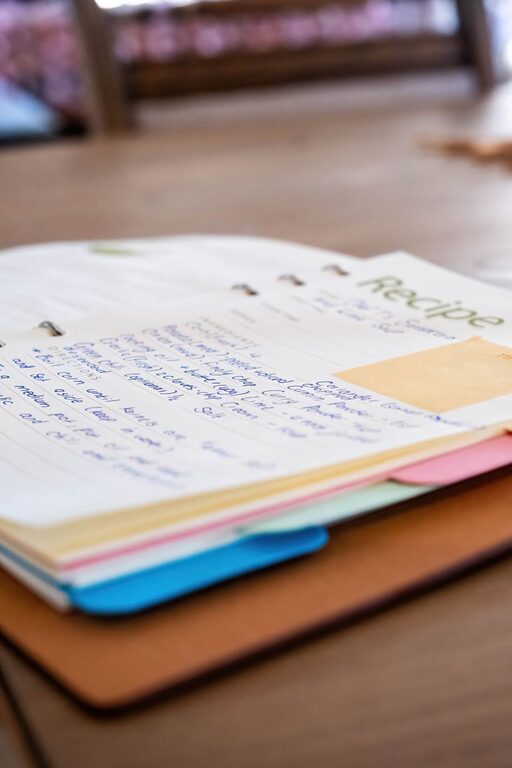
A binder is easy to browse and update. Use dividers for categories such as breakfast, soups, main dishes, baking, holidays, and drinks. Place a digital copy or typed version in a protective sleeve, and keep original cards in a separate section.
A family cookbook
A printed cookbook creates a meaningful keepsake. You can organize it by meal type, family branch, season, or decade. Include photographs, short biographies, and personal memories alongside the recipes.
A digital archive
A folder system, note-taking app, or family website can make recipes easy to search and share. Use clear categories and consistent file names. Include both typed recipes and scanned originals.
A combination of formats
Many families prefer a hybrid archive. Keep originals and a printed cookbook at home, while storing digital copies for backup and sharing. This approach provides both a personal physical experience and long-term convenience.
Add Photos and Personal Details
Images can make an archive more engaging. Add photographs of the finished dish, the person who prepared it, the kitchen where it was made, or the family gatherings where it was served.
You can also include small details that bring recipes to life:
– A favorite serving dish
– A traditional holiday or event
– A family nickname for the recipe
– Common mistakes and helpful corrections
– A memorable kitchen story
– Changes made because of available ingredients
These details help future generations understand not only how to prepare a dish, but also why it mattered.
Invite Family Members to Contribute
A recipe archive becomes richer when several people take part. Invite relatives to submit their favorite recipes, photographs, and memories. Give contributors simple guidelines so the material remains easy to organize.
You might ask each person to provide:
– The recipe title
– Their name and connection to the family
– The recipe source
– A short story
– A photo, if available
– Any tips or variations
Consider holding a recipe-sharing day where family members cook together, compare versions, and record stories. This can create new memories while preserving older ones.
Review and Update the Archive
Treat your recipe archive as a living collection. Set aside time once or twice a year to add new recipes, correct unclear instructions, and update digital backups.
Invite younger family members to help with typing, scanning, photography, or design. This gives them ownership of the project and teaches them about the family history behind each dish.
Most importantly, use the recipes. Cook from the archive, share the results, and add notes about what worked well. A recipe archive is most valuable when it remains part of family life rather than sitting unused on a shelf.
By combining recipes, stories, photographs, and careful organization, you can create a lasting record of the meals and memories your family wants to carry forward.