






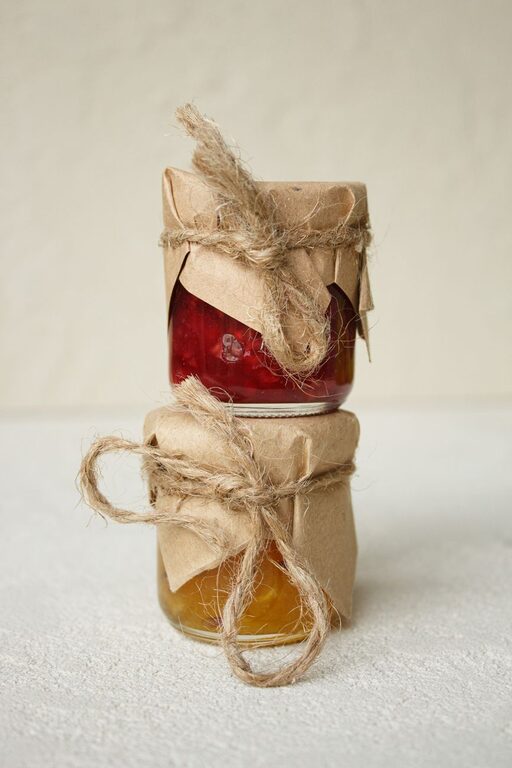
A Fresh Take on a Time-Honored Tradition
Small-batch preserves are finding a new audience in home kitchens. Jams, jellies, marmalades, chutneys, fruit butters, and pickled vegetables have long been ways to extend the life of seasonal ingredients. Today, these foods are also part of a broader interest in handmade cooking, local produce, and simple kitchen projects.
Unlike large-scale preserving, small-batch cooking focuses on manageable quantities. A home cook might turn a few pounds of ripe peaches into several jars of jam or make a small batch of tomato relish from a garden harvest. The process is practical, creative, and easy to adapt.
Why Small-Batch Preserves Are Popular
Several trends have helped bring preserving back into everyday kitchens.
Seasonal Cooking
Preserves make it possible to enjoy peak-season produce throughout the year. Strawberries, cherries, peaches, plums, apples, tomatoes, and cucumbers can all be transformed when they are fresh and plentiful.
Working with seasonal ingredients also encourages cooks to pay attention to local harvests. A farmers market visit or a productive garden can inspire a batch of preserves based on what is available that week.
Less Food Waste
Preserving is a useful way to make the most of extra produce. Fruit that is too soft for a fruit bowl may still be suitable for jam, while surplus tomatoes can become sauce or relish. Even vegetable trimmings and herb stems can sometimes contribute flavor to broths, pickles, or savory condiments.
Small batches are especially helpful because they allow cooks to preserve only what they can reasonably use. There is less risk of filling the pantry with more jars than the household needs.
Personal Flavors
Homemade preserves can be adjusted to suit individual tastes. A basic fruit jam might include citrus zest, fresh herbs, warm spices, or a mild pepper. Chutneys can balance sweet fruit with vinegar and savory seasonings, while pickles can range from bright and crisp to deeply spiced.
This flexibility makes preserving appealing to both traditional cooks and people who enjoy experimenting in the kitchen.
Popular Types of Small-Batch Preserves
Home cooks have many options beyond standard fruit jam.
Jams and Jellies
Jams contain crushed or chopped fruit, while jellies are typically made from strained fruit juice. Both are common starting points for beginners because they require relatively few ingredients and can be prepared in a single pot.
Classic combinations such as strawberry, raspberry, and grape remain popular. More unusual pairings, such as blueberry and lemon or peach and ginger, offer room for creativity.
Marmalades
Marmalades are known for their citrus flavor and fine pieces of peel. Orange is the best-known variety, but lemons, grapefruit, mandarins, and other citrus fruits can also be used.
Because citrus peel contributes both flavor and texture, marmalade often involves a little more preparation than a simple jam. The result, however, is a bright spread that works well on toast, pastries, and savory dishes.
Chutneys and Relishes
Chutneys and relishes combine produce with vinegar, sugar, and seasonings. They are often served with roasted meats, sandwiches, grains, or cheese.
Mango chutney is a familiar example, but home cooks also make apple chutney, tomato relish, corn relish, and fruit-and-onion combinations. These preserves are a useful way to add color and contrast to everyday meals.
Pickled Vegetables
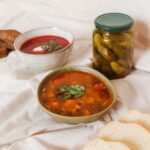
Pickling is another accessible form of preserving. Cucumbers, onions, carrots, green beans, and radishes can be prepared with a vinegar-based brine and stored in the refrigerator for quick use.
Refrigerator pickles are particularly convenient for small households because they do not require long-term storage. They can be ready within a day or two and are easy to customize with garlic, dill, mustard seeds, or other seasonings.
Essential Equipment for Beginners
Small-batch preserving does not require a large collection of specialized tools. A few reliable basics are usually enough:
– A wide, heavy-bottomed pot
– A wooden spoon or heat-resistant spatula
– Clean glass jars with suitable lids
– A ladle and wide-mouth funnel
– Measuring cups and spoons
– Tongs or a jar lifter
– A thermometer, when a recipe calls for one
– Labels and a marker for recording dates and flavors
A wide pot is useful because it allows moisture to evaporate more efficiently. This can help fruit mixtures thicken while reducing cooking time.
Building a Simple Preserving Routine
A successful batch begins before the cooking starts. Wash and inspect the produce, prepare the jars, and measure the ingredients in advance. This organized approach helps the process feel calm rather than rushed.
It is also important to follow a recipe from a reliable source, especially when preserving food for room-temperature storage. Ingredients such as acidity, sugar, and cooking time can affect texture and storage safety. Recipes designed for refrigerator storage are often more flexible, while shelf-stable methods require closer attention to tested instructions.
Once a batch is finished, label each jar with the name and date. Notes about ingredient changes can also be useful. Over time, these records become a personal collection of recipes and ideas.
Creativity Without Overcomplication
One reason small-batch preserving continues to grow is that it supports experimentation without demanding a major commitment. A cook can test a new combination in two or three jars instead of producing a large quantity.
For example, a basic apple butter recipe might be divided into smaller portions and seasoned in different ways. One jar could include cinnamon, another could feature cardamom, and a third might use a small amount of citrus zest.
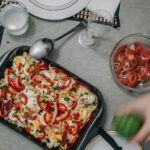
The same approach works for savory preserves. A simple tomato relish can be adjusted with different herbs, levels of sweetness, or types of vinegar. Keeping changes modest makes it easier to identify what works.
Preserves as Gifts and Shared Experiences
Small-batch preserves also have a personal quality that makes them appealing gifts. A labeled jar of jam, pickles, or chutney can be paired with bread, crackers, cheese, or a handwritten serving suggestion.
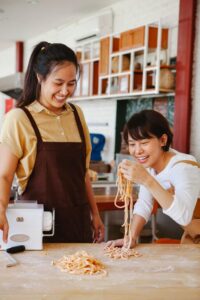
Many home cooks enjoy preserving with family members or friends. Preparing fruit, filling jars, and choosing labels can turn a routine kitchen task into a seasonal tradition. Children can help with simple steps such as washing produce, measuring ingredients, or designing labels, with adults handling hot equipment.
A Practical Way to Connect With Food
The renewed interest in small-batch preserves reflects a broader appreciation for food made with care. Preserving encourages home cooks to notice the seasons, use ingredients thoughtfully, and develop practical kitchen skills.
It does not have to be complicated or time-consuming. Starting with one dependable recipe and a small quantity is often enough. From there, each batch can become an opportunity to refine techniques, discover new flavors, and build a pantry that reflects the best of the season.