







Seasonal cooking workshops offer more than a chance to prepare a delicious meal. They create a welcoming space where people can learn practical skills, explore fresh ingredients, and connect with others who enjoy food.
Unlike a standard cooking demonstration, a workshop usually invites participants to take part in each step. You may chop vegetables, practice a new technique, prepare a recipe with a partner, and sit down together to enjoy the finished meal. The experience combines hands-on learning with the relaxed atmosphere of a shared meal.
What Makes Seasonal Cooking Workshops Special?
Seasonal workshops focus on ingredients that are naturally available at a particular time of year. This might include fresh greens and berries in spring, tomatoes and herbs in summer, squash and apples in fall, or root vegetables and citrus in winter.
Using seasonal ingredients can make cooking feel more approachable. Produce is often at its best, and recipes are designed around what is readily available. Participants can see how a few fresh ingredients can become a satisfying meal without complicated methods or hard-to-find products.
Seasonal cooking also encourages variety. A familiar vegetable may be prepared in a new way, or a classic dish may be adapted to suit the time of year. Each workshop offers an opportunity to expand your recipe collection and gain ideas for future meals.
Building Practical Kitchen Skills
One of the main benefits of a cooking workshop is the chance to learn by doing. A skilled instructor can explain each step, demonstrate techniques, and offer helpful feedback as participants practice.
Workshops may cover skills such as:
– Knife handling and safe cutting techniques
– Basic cooking methods, including roasting, steaming, and sautéing
– How to balance flavors with herbs, spices, and simple sauces
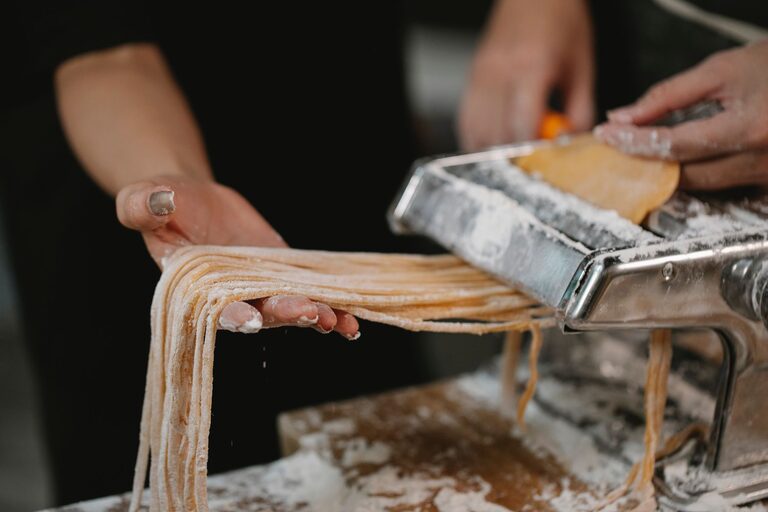
– Ways to prepare grains, beans, vegetables, or fresh pasta
– Tips for organizing ingredients before cooking
– Simple plating and presentation techniques
– How to adjust recipes based on available ingredients
Because the learning takes place in a group setting, participants can ask questions as they work. This makes it easier to understand why a step matters, how to correct a mistake, or how to adapt a recipe at home.
The hands-on format can also make new skills easier to remember. Instead of only watching someone prepare a dish, you practice the process yourself. With time, techniques that once seemed unfamiliar can become part of your regular kitchen routine.
A Welcoming Way to Meet People
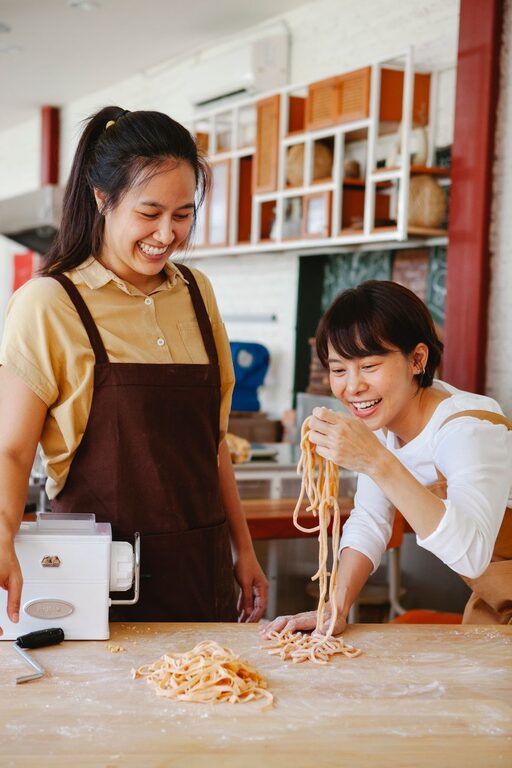
Cooking naturally creates opportunities for conversation. Participants often work in pairs or small groups, share preparation tasks, and compare ideas. These simple interactions can help people feel comfortable, even when they are meeting for the first time.
A workshop may attract a wide range of people, including beginners, experienced home cooks, families, students, and older adults. Everyone brings different experiences to the kitchen. One person may know a useful preparation tip, while another may offer a new perspective on a familiar dish.
The shared goal of preparing and enjoying a meal gives the group an easy way to connect. Conversations often continue during the meal, when participants can talk about the recipes, ingredients, and techniques they have just explored.
Workshops for Different Experience Levels
A good seasonal cooking workshop clearly explains its skill level before the event. Some sessions are designed for beginners, while others focus on a particular technique or type of cuisine.
Beginner-friendly workshops may introduce basic kitchen tools, simple recipes, and straightforward cooking methods. These sessions can help participants become more comfortable in the kitchen without feeling pressured to work quickly.
Intermediate workshops may explore more detailed techniques, menu planning, or recipes with several components. Participants might learn how to prepare a complete seasonal meal or use one ingredient in multiple ways.
When choosing a workshop, consider:
– The advertised skill level
– The length of the session
– The number of participants
– Whether ingredients and equipment are included
– Any dietary or accessibility information
– Whether you take the prepared food home or eat it during the event
Selecting a workshop that matches your interests and experience can make the event more enjoyable.
Learning to Cook with the Seasons
Seasonal cooking encourages a flexible approach to recipes. Rather than relying on the same ingredients all year, participants learn how to make thoughtful substitutions and use what is freshest.
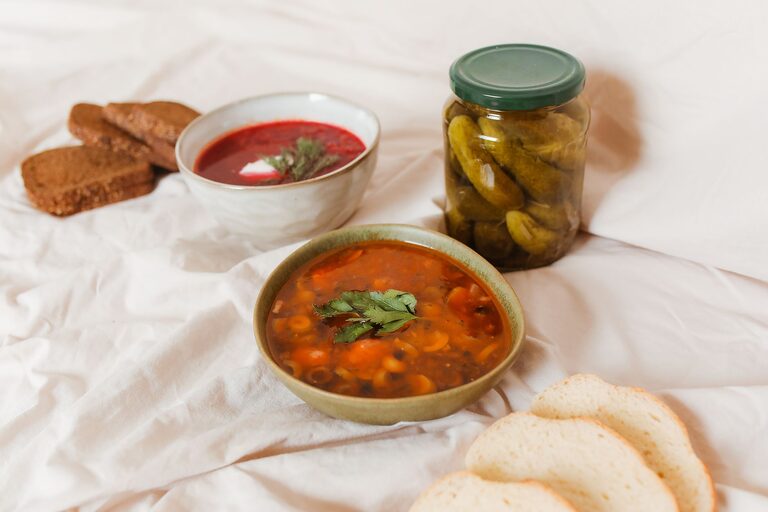
For example, a summer workshop may focus on bright salads, grilled vegetables, fresh fruit, or chilled soups. A fall session might feature roasted squash, apples, grains, or hearty vegetable dishes. Winter workshops can highlight warming soups, baked dishes, preserved foods, and citrus. Spring may bring tender greens, peas, herbs, and lighter meals.
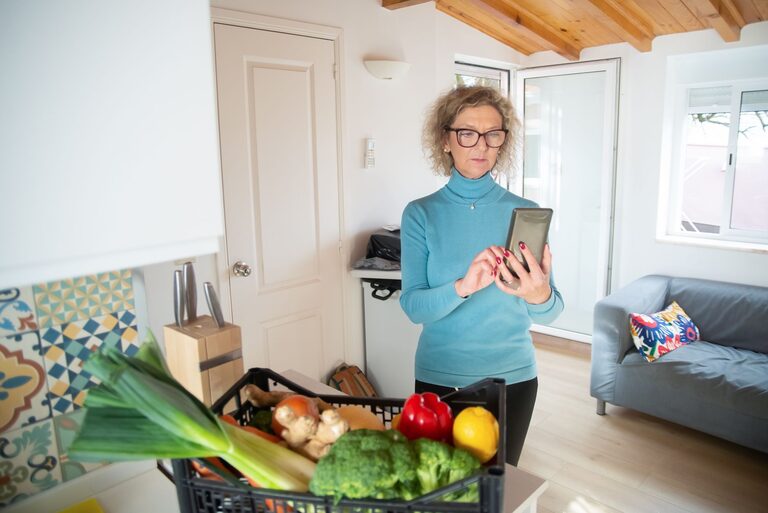
This approach helps home cooks become more confident when shopping. Instead of searching for one specific ingredient, you can look for similar options that are fresh and available. Over time, this can lead to more creative meals and less food waste.
Creating a Shared Experience
Food has a special way of bringing people together. Preparing a meal as a group creates a shared accomplishment, and eating it afterward gives everyone a chance to enjoy the results.
Some workshops include a communal table where participants sit together. Others may invite guests to package portions for home or share a tasting menu. In either format, the meal becomes part of the learning experience.
A shared meal can also encourage people to slow down and appreciate the process. Participants can talk about what they learned, exchange recipe ideas, and discuss ways to recreate the dishes at home. These conversations often make the workshop feel more memorable than a typical class.
Making the Most of Your Workshop
A little preparation can help you enjoy the experience from start to finish.
Before the Event
Read the workshop details carefully and arrive with enough time to settle in. Wear comfortable clothing and closed-toe shoes if recommended. If the instructor has provided a list of tools or ingredients to bring, review it in advance.
It may also help to think about what you hope to learn. You might want to improve your knife skills, find new ways to prepare vegetables, or become more comfortable cooking for others.
During the Workshop
Take notes on techniques, ingredient combinations, and useful tips. Do not be afraid to ask questions or request clarification. Instructors expect participants to have different levels of experience.
Pay attention to how the kitchen is organized, including where ingredients are placed and how tasks are scheduled. These details can help you work more efficiently at home.
After the Workshop
Try to prepare one of the recipes within the next week while the steps are still familiar. Keep your notes nearby and make a list of any ingredients or tools you may need.
You can also share what you learned with friends or family. Cooking a workshop recipe for others is a practical way to build confidence and continue the social connection created during the class.
A Fresh Way to Learn and Connect
Seasonal cooking workshops combine useful instruction with the simple pleasure of preparing food together. They offer a chance to learn new skills, discover fresh ingredients, and meet people in a friendly setting.
Whether you are an experienced home cook or just beginning, a seasonal workshop can provide inspiration for your kitchen and a welcoming connection to your local community. The recipes may change with the calendar, but the benefits of learning and sharing remain available all year.