









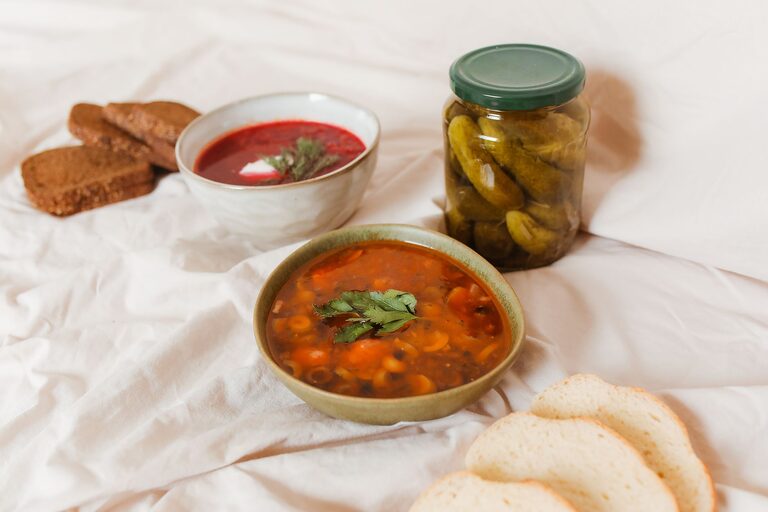
A warm pot of soup has a special way of bringing people together. It is comforting, practical, and easy to share. For many neighborhoods, clubs, workplaces, and friend groups, soup swaps are turning that simple idea into a regular tradition.
A community soup swap is an organized gathering where each person prepares a batch of soup and brings portions to exchange. Everyone goes home with several different meals, along with new recipes, cooking ideas, and a stronger connection to the people around them.
Whether you host one in your neighborhood or start with a few friends, a soup swap can be a simple and rewarding way to share homemade food.
What Is a Community Soup Swap?
A soup swap is a meal-sharing event built around variety and cooperation. Each participant makes one soup in a large batch, then brings several containers to the gathering. The group exchanges soups so that everyone leaves with a selection of homemade meals.
For example, eight participants might each prepare six portions of soup. After the exchange, every person could take home six different soups made by members of the group.
The format can be adjusted to fit the group. Some swaps focus on frozen meals for future use, while others include ready-to-eat soups for a shared lunch. A gathering might happen monthly, seasonally, or whenever the group has time to cook.
Why Soup Swaps Work So Well
Soup is especially well suited to sharing. Many recipes can be made in large quantities without requiring complicated equipment or advanced cooking skills. Soups also store well in the refrigerator or freezer, making them useful for busy days.
A soup swap offers several benefits:
– More variety: Participants can try recipes they may not normally make.
– Shared effort: Cooking one large batch can be easier than preparing several different meals.
– Less food waste: Extra vegetables, beans, grains, and herbs can often be used in soup.
– Practical meal planning: Participants leave with several meals ready for later.
– Community connection: The event creates time for conversation and relationship building.
– Recipe inspiration: Each container can come with a story, serving idea, or family tradition.
The value is not only in the food. The swap gives people a reason to gather and a simple way to contribute.
How to Plan Your First Soup Swap
A successful soup swap does not need to be complicated. Start with a small group and make a few decisions before sending invitations.
Choose the Group and Schedule
Invite neighbors, friends, coworkers, or members of a local club. Six to ten participants is often a comfortable size for a first event. A smaller group makes planning easier, while a larger group creates more variety.
Choose a date and time that gives everyone enough notice. Weekend afternoons often work well, but an evening gathering can also be convenient. If the event will include a shared meal, allow extra time for tasting and conversation.
Set Clear Portion Guidelines
Decide how much soup each participant should prepare and how many containers to bring. Clear instructions help avoid confusion and make sure the exchange feels balanced.
You might ask each person to bring:
– One large batch of soup
– Six to eight equal portions
– Labeled containers with secure lids
– A printed or digital recipe
– A list of ingredients and common allergens
The exact amount can be adjusted based on the group. The most important point is that every participant understands the plan.
Pick a Container System
Reusable containers are a practical choice, especially if the group plans to meet regularly. Each participant can bring their own containers, or the host can provide matching containers for easier organization.
For freezer-friendly swaps, leave space at the top of each container because soup may expand as it freezes. Glass containers should be labeled as freezer-safe, and disposable containers can be useful for a first-time event.
Labels should include:
– The name of the soup
– The date it was prepared
– Storage instructions
– Reheating instructions
– Ingredient or allergen notes
Good labels make the soups easier and safer to use later.
Choosing Soup Recipes
A balanced swap includes a mixture of flavors and textures. Encourage participants to choose recipes that travel well and can be reheated without losing their quality.
Popular options include:
– Tomato and vegetable soup
– Chicken and rice soup
– Lentil soup
– Potato and leek soup
– Bean and pasta soup
– Butternut squash soup
– Mushroom and barley soup
– Corn chowder
– Noodle soup
– Mild chili
It can help to create a shared list of planned recipes before the event. This reduces duplication and gives the group a broader selection.
Participants may also want to identify soups that meet certain preferences, such as vegetarian, dairy-free, or gluten-free options. These labels are helpful, but recipes should still include complete ingredient information so everyone can make choices that suit their needs.
Making the Swap Enjoyable
The exchange itself can be casual and welcoming. Set up a table with space for each person’s soup, recipe card, and name. If the soups are frozen or chilled, organize them so they remain at a suitable temperature until everyone is ready to leave.
Consider adding a small tasting area with:
– Bread or crackers
– Small sample cups
– Spoons and napkins
– Simple toppings
– Water or warm drinks
Tasting is optional, especially when soups need to stay cold, but it can make the gathering more social. Participants can share what inspired their recipe, describe favorite toppings, or talk about how they plan to serve the soup.
A simple exchange system keeps the event organized. Each person can place their containers on the table, then choose one portion from each other participant. Alternatively, the host can prepare labeled bags for each guest before the gathering begins.
Turning a One-Time Event Into a Tradition
The first soup swap may be a single gathering, but regular events can become a meaningful seasonal tradition. Try scheduling swaps around the changing weather or local routines.
A group might host:
– A fresh vegetable soup swap in early spring
– A chilled soup event during summer
– A harvest-themed swap in the fall
– A hearty freezer meal swap in winter
Giving each gathering a small theme can keep the idea fresh. Participants could explore soups from different regions, use a featured ingredient, or make recipes connected to family memories.
It is also helpful to rotate the host. This shares the planning work and gives everyone a chance to shape the event. One person might provide recipe cards, while another organizes containers or creates a simple sign-up sheet.
A Tradition Built Around Sharing
Community soup swaps show how small gatherings can create lasting connections. The recipes may change from month to month, but the basic idea stays the same: each person contributes something homemade, and everyone benefits from the shared effort.
In a busy world, a soup swap offers a practical way to slow down, cook with purpose, and spend time with others. The result is more than a collection of meals. It is a tradition made from generosity, conversation, and the simple comfort of soup.