





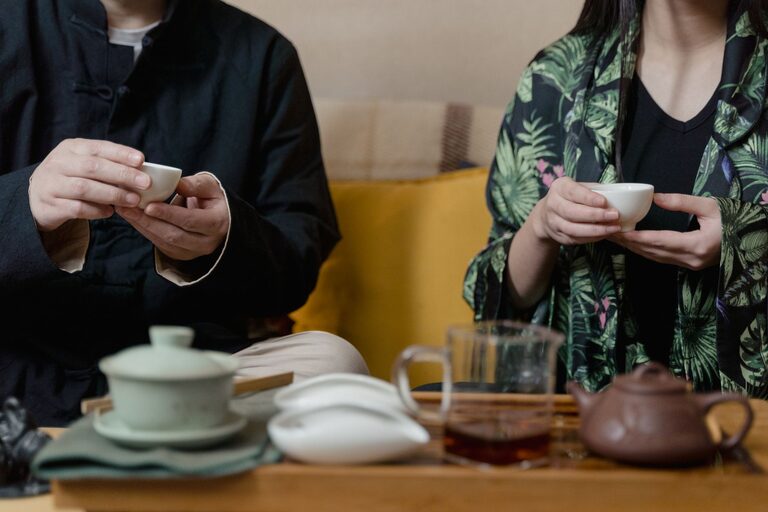
Afternoon social events often follow a familiar pattern: light snacks, cold drinks, and plenty of conversation. A tea tasting gathering offers a fresh alternative while keeping the mood relaxed and welcoming. Guests can sample different teas, compare flavors, and enjoy simple foods that complement each cup.
Tea tastings do not require specialist equipment or extensive planning. With a few carefully chosen teas, attractive serving pieces, and a comfortable setting, hosts can create an event that feels thoughtful without becoming complicated.
Why Host a Tea Tasting?
A tea tasting gives guests something enjoyable to do while they socialize. Instead of serving one beverage throughout the event, hosts can introduce a small variety of flavors, aromas, colors, and textures.
The activity can also suit many kinds of gatherings, including:
– Afternoon get-togethers with friends
– Book club meetings
– Brunch celebrations
– Family visits
– Seasonal parties
– Community or workplace socials
Tea is easy to serve in small portions, making it possible for guests to try several options without filling their cups with a single drink. The tasting format encourages curiosity and conversation, especially when guests share their favorites.
Choosing Teas for the Menu
A balanced selection is more important than a large one. Three to five teas are usually enough for a casual event. Choose options with noticeably different qualities so guests can compare them easily.
Black Tea
Black tea often has a full, rich flavor and pairs well with baked goods, sandwiches, and chocolate desserts. Classic choices include breakfast-style blends, Earl Grey, and naturally smoky or malty varieties.
Green Tea
Green tea tends to have a lighter profile, with fresh, grassy, or gently toasted notes. It can be served with fruit, rice-based snacks, mild cheeses, or light pastries.
Herbal Tea
Herbal teas are made from ingredients such as flowers, herbs, spices, or fruit. They offer a wide range of aromas and are often naturally caffeine-free. Chamomile, peppermint, hibiscus, and ginger are familiar choices.
Oolong Tea
Oolong tea sits between green and black tea in style, offering a broad range of flavors. Depending on the variety, it may taste floral, fruity, creamy, or roasted.
Chai or Spiced Tea
A spiced tea adds warmth and variety to the menu. Cinnamon, cardamom, ginger, and clove can create a comforting final tasting option, especially during cooler months.
When selecting teas, consider the needs of your guests. Offering at least one caffeine-free option helps ensure that everyone can participate comfortably.
Planning the Tasting Order
The order of service can shape the experience. Start with the lightest and most delicate tea, then move toward stronger or more heavily flavored selections.
A simple sequence might look like this:
- Light green tea
- Floral or herbal tea
- Mild oolong tea
- Black tea
- Spiced tea
Serve each tea at a comfortable drinking temperature and give guests time to notice its character. There is no need to use formal tasting language. Simple descriptions such as “bright,” “smooth,” “floral,” “earthy,” or “spicy” are enough to start a conversation.
If you are serving loose-leaf teas, place a small amount of each dry tea near its labeled teapot or serving vessel. Guests can look at the leaves before tasting. For a simpler setup, tea bags work well, especially when each variety is clearly labeled.
Creating a Comfortable Setup
A tasting table should be attractive but easy to use. Arrange the teas in serving order and place cups, spoons, napkins, and a bowl for used tea bags nearby.
Helpful serving items include:
– Small cups or tasting glasses
– Teapots or heat-safe pitchers
– Labels or small menu cards
– A kettle with hot water
– Milk, lemon, honey, and sugar
– Water for rinsing the palate
– Small plates for food pairings
– A container for used tea leaves or tea bags
Use small cups so guests can sample each tea without wasting much. If you are serving several groups at once, prepare enough hot water and label each pot clearly.
A small pitcher of plain water is useful between tastings. It gives guests a neutral drink and helps refresh the palate before the next tea.
Pairing Food with Tea
Food does not need to be elaborate. The best pairings support the tea without overwhelming it. Offer a mix of sweet and savory items so guests can build a light afternoon plate.
Good options include:
– Shortbread or butter cookies
– Scones with jam
– Mini sandwiches
– Fresh berries and sliced fruit
– Lemon cake
– Mild cheeses and crackers
– Cucumber or egg salad sandwiches
– Nuts and dried fruit
– Small pastries
Light teas pair well with delicate foods such as fruit, plain biscuits, and mild sandwiches. Rich black teas can stand up to stronger flavors, including chocolate, cheese, and spiced baked goods.
Try to keep portions small. Bite-sized servings allow guests to sample several foods while keeping the table neat and easy to manage.
Adding Simple Tasting Notes
A small tasting card can make the event more engaging. It may include the tea name, type, country or region of origin, and a few suggested flavor descriptions.
Guests can use a simple chart with columns such as:
– Aroma
– Flavor
– Strength
– Favorite pairing
– Overall impression
Encourage guests to write their own observations rather than looking for a correct answer. Tasting is personal, and people may notice different qualities in the same tea.
You can also invite guests to vote for categories such as “most refreshing,” “best with dessert,” or “most surprising.” This adds a playful element without turning the gathering into a formal competition.
Keeping the Event Relaxed
The goal is connection, not perfection. Hosts do not need to explain every detail about tea or follow strict tasting rules. A brief introduction to each selection is enough.
Leave space between servings so guests can talk, refill their plates, and compare impressions. Background music at a low volume can add atmosphere, but conversation should remain easy.
For a larger gathering, consider setting up a self-serve station with printed instructions. For a smaller group, the host can pour each tea and guide the tasting from one selection to the next.
It is also helpful to provide familiar drinks such as water, coffee, or juice. Some guests may prefer to enjoy only one tea or may want an alternative beverage during the event.
Seasonal Themes to Try
A seasonal theme can make the gathering feel more distinctive. In spring, serve floral teas with berries and light pastries. Summer events can feature iced tea, citrus flavors, and fresh fruit. Autumn gatherings pair well with apple desserts, chai, and roasted teas. Winter socials can include peppermint, ginger, and rich baked treats.
Decorations can remain simple. Fresh flowers, linen napkins, seasonal fruit, or small handwritten labels are enough to create a welcoming table.
A Thoughtful and Flexible Gathering
Tea tasting gatherings bring variety to afternoon social events without requiring a complicated schedule. A small collection of teas, a few well-matched foods, and a comfortable place to sit can provide everything guests need.
By offering different flavors and encouraging casual conversation, hosts can create an afternoon that feels both organized and easygoing. Whether the gathering is formal or spontaneous, tea gives guests a shared experience to enjoy one cup at a time.