










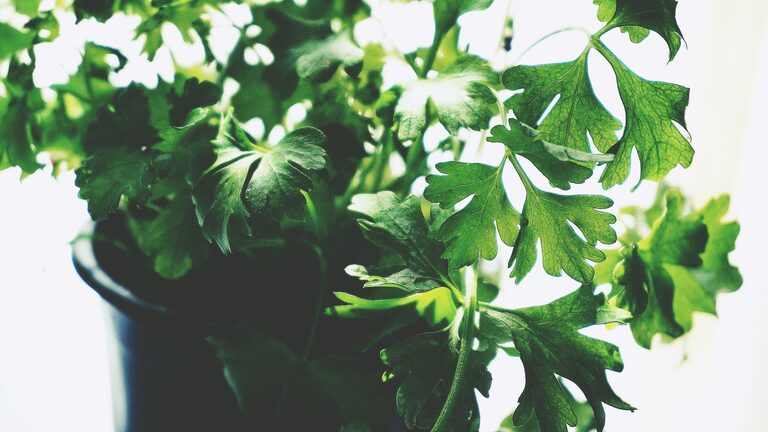
Fresh herbs can make everyday meals taste brighter, but you do not need a large yard to grow them. A sunny windowsill, balcony, patio, or small corner near the kitchen can provide enough space for a useful herb garden.
With the right containers and a few easy-care plants, you can harvest flavorful ingredients whenever you cook. The key is to match each herb with the amount of light, water, and room you have available.
Choose Herbs You Will Actually Use
Start by choosing herbs that fit your cooking habits. Growing a small selection of useful plants is often better than filling your space with herbs you rarely reach for.
Popular Cooking Herbs
Consider these dependable options:
– Basil: Great for pasta, salads, sandwiches, pesto, and sauces
– Parsley: Useful in soups, roasted vegetables, grain dishes, and garnishes
– Chives: Add a mild onion flavor to eggs, potatoes, dips, and salads
– Thyme: Works well with roasted vegetables, beans, poultry, and soups
– Oregano: A natural match for tomato sauces, pizza, and Mediterranean dishes
– Mint: Refreshing in drinks, fruit salads, sauces, and desserts
– Rosemary: Pairs well with potatoes, breads, roasted vegetables, and hearty dishes
– Cilantro: Adds fresh flavor to salsas, rice dishes, tacos, and noodle bowls
If you are new to herb gardening, begin with three or four plants. Basil, parsley, chives, and thyme offer a useful mix of flavors and growing styles.
Make the Most of Sunny Windowsills
A kitchen windowsill can become a convenient indoor herb garden. Most culinary herbs need about six hours of sunlight each day, so choose a bright window that receives plenty of natural light.
Place herbs in small pots with drainage holes. Set a saucer beneath each pot to protect the sill from excess water. To keep plants growing evenly, turn the pots every few days so all sides receive light.
Windowsill gardening works especially well for:
– Basil
– Chives
– Parsley
– Mint
– Oregano
– Thyme
Avoid placing herbs directly against cold glass during winter or next to a hot radiator. Sudden temperature changes can stress the plants. If your window does not receive enough light, a simple indoor grow light can help support healthy growth.
Try a Compact Container Garden
Containers make it possible to grow herbs on balconies, patios, steps, and small outdoor spaces. Nearly any container can work if it is deep enough for the plant and has proper drainage.
When choosing containers, keep these tips in mind:
– Use pots with drainage holes.
– Select containers that are easy to move.
– Match the pot size to the mature plant.
– Choose lightweight pots for balconies or shelves.
– Use a quality potting mix instead of ordinary garden soil.
A container about 6 to 8 inches wide is suitable for many individual herbs. Larger plants, such as rosemary or mint, may need more room. If you want to combine herbs in one container, group plants with similar water and sunlight needs.
For example, thyme, oregano, and rosemary enjoy bright light and soil that dries slightly between waterings. Basil and parsley prefer regular moisture, so they may be better planted together.
Build a Vertical Herb Garden
Vertical gardening helps turn unused wall space into a productive growing area. It is especially helpful for balconies, narrow patios, and compact kitchens.
You can create a vertical herb garden with:
– Wall-mounted planters
– Hanging pockets
– Tiered plant stands
– A ladder-style shelf
– A pegboard with small pots
– A narrow shelving unit
Place sun-loving herbs near the top or in the brightest position. Check that the structure is secure and can support the weight of the containers, soil, and water.
A vertical setup also makes harvesting easier because plants are raised to a comfortable height. Label each pot so you can quickly identify herbs while cooking.
Use a Tiered or Stacked Arrangement
A tiered arrangement allows several plants to share a small footprint. Place a taller plant at the back and smaller herbs toward the front. This design helps prevent larger plants from blocking sunlight.
For an attractive and practical display, try grouping herbs by use:
Italian Cooking Collection
– Basil
– Oregano
– Thyme
– Parsley
Fresh Drink and Dessert Collection
– Mint
– Lemon balm
– Basil
Everyday Savory Collection
– Chives
– Parsley
– Thyme
– Rosemary
Keep mint in its own container whenever possible. It spreads quickly and can crowd other herbs if planted together.
Plan for Easy Watering
Small containers can dry out faster than garden beds, especially in warm weather. Check the soil regularly by touching the top inch with your finger. If it feels dry, water slowly until a little moisture drains from the bottom.
Avoid watering on a strict schedule without checking the soil. Different pots and locations dry at different rates. Overwatering can be just as harmful as underwatering, so do not let containers sit in standing water.
Self-watering containers can be useful if you often forget to water or spend time away from home. They provide a steady supply of moisture while reducing the need for daily attention.
Harvest Herbs the Right Way
Regular harvesting encourages many herbs to produce fresh growth. Use clean scissors or snips, and take only what you need.
For leafy herbs such as basil, pinch or cut just above a pair of leaves. This encourages the plant to branch out. Harvest parsley by cutting stems near the base rather than removing only the leaves.
For woody herbs such as rosemary and thyme, snip the tender green tips. Avoid cutting deeply into old, bare stems, as they may produce new growth slowly.
Try to harvest in the morning after any moisture on the leaves has dried. Herbs often have their best flavor before the heat of the day.
Add Herbs to Everyday Meals
A small herb garden becomes most rewarding when you use it regularly. Fresh herbs can be added at different stages of cooking depending on the type.
– Add delicate herbs such as basil, parsley, and cilantro near the end of cooking.
– Add sturdy herbs such as rosemary, thyme, and oregano earlier so their flavors can develop.
– Sprinkle chives over finished dishes for a fresh onion flavor.
– Use mint in chilled drinks, fruit salads, and yogurt sauces.
– Combine chopped herbs with olive oil and lemon for a quick dressing.
You can also freeze extra herbs in ice cube trays with water or olive oil. Once frozen, transfer the cubes to a labeled container and use them in soups, sauces, and skillet meals.
Create a Simple Care Routine
A few minutes of regular care can keep a small herb garden productive. Once or twice a week, check the plants for dry soil, yellow leaves, pests, and crowded growth.
Remove damaged leaves and trim plants that become leggy. Rotate indoor pots for even growth, and refresh the soil or move plants into larger containers when roots begin filling the pot.
Start small, grow the herbs you enjoy, and place them where they are easy to see and reach. With thoughtful containers and regular harvesting, even the smallest space can provide a steady supply of fresh flavor for home cooking.